What Does a Wedding (Stationary) Designer Do? Wedding Stationery and Design Services Explained (UK)
People often think wedding design is about making things look beautiful on the day. In reality, it is about making sure nothing falls apart visually when all the moving parts come together.
Most of the issues I’ve seen at weddings are not dramatic failures, but small inconsistencies that add up. A mismatched invitation style, a table that feels disconnected from the signage, or printed details that do not feel like they belong to the same world.
That is where a wedding designer actually becomes useful. Not as designer, but as the person who makes sure everything feels like it belongs together from the first invite to the final table setting all the way to your thank you cards. Someone to take the added stress off you. So when your googling wedding stationary near me or stationary for weddings I’ll come up.
(Don’t forget you’re thank you cards, that’s very important)
What I actually do as a wedding designer
From my perspective, wedding design is not about styling a space or following a trend. It is about building a consistent visual language across everything a couple and their guests interact with.
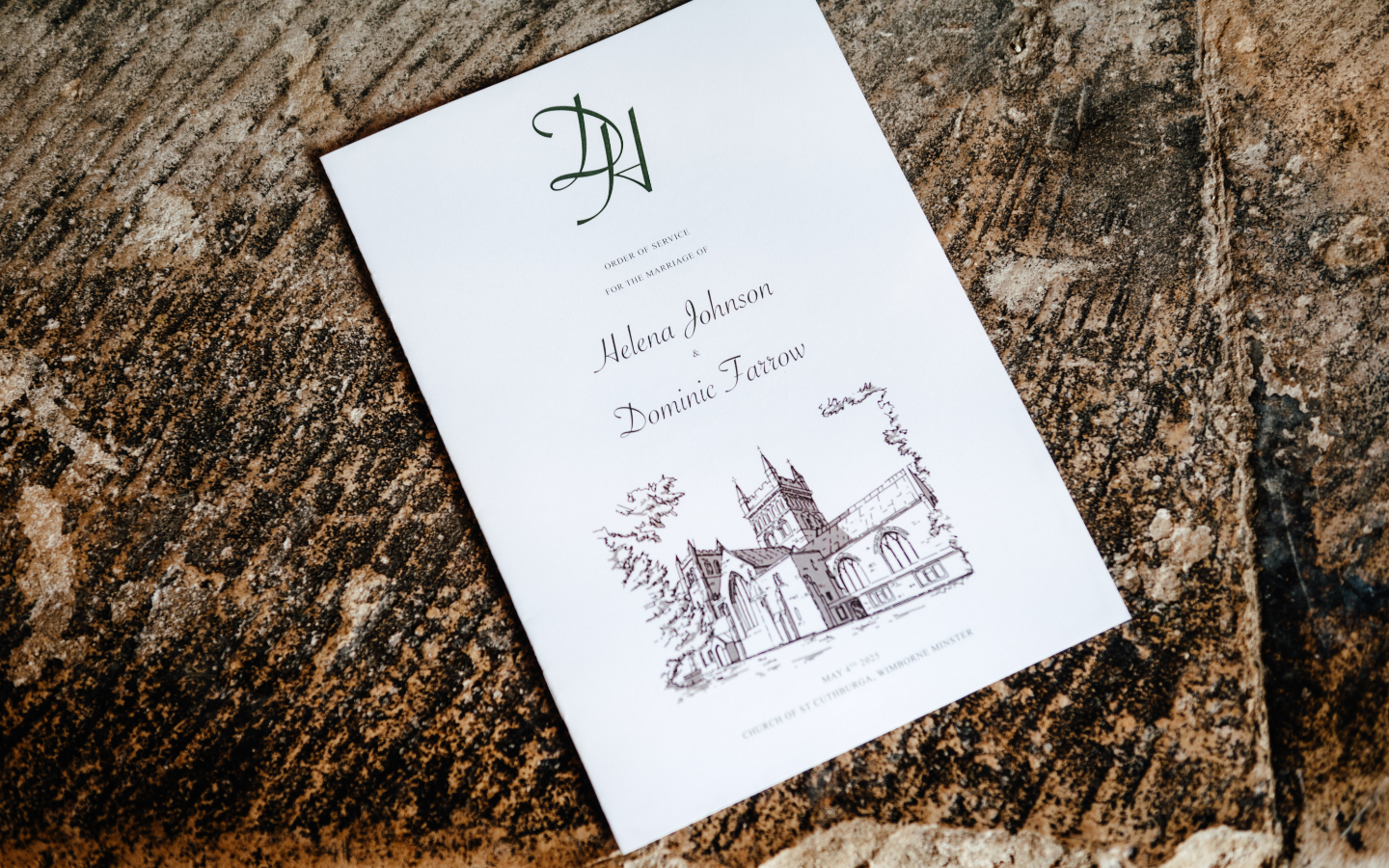
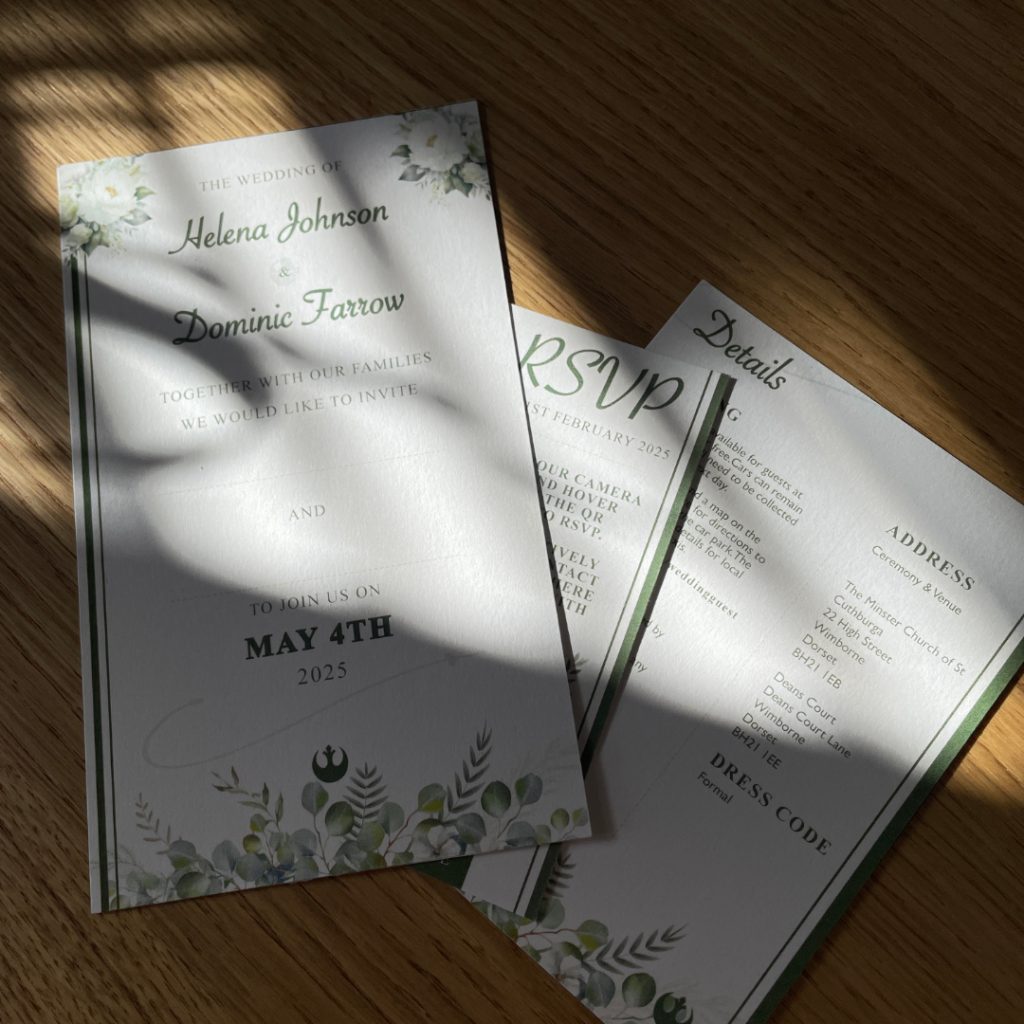
For our wedding, that started with stationery. The invitation is the first physical contact someone has with the wedding, and it quietly sets expectations for everything that follows. If that is unclear or disconnected, the rest of the wedding often feels slightly off even if each individual element is beautiful. Clean communication of key times, dates and requirements is the most important item. Don’t worry we will ask those questions.
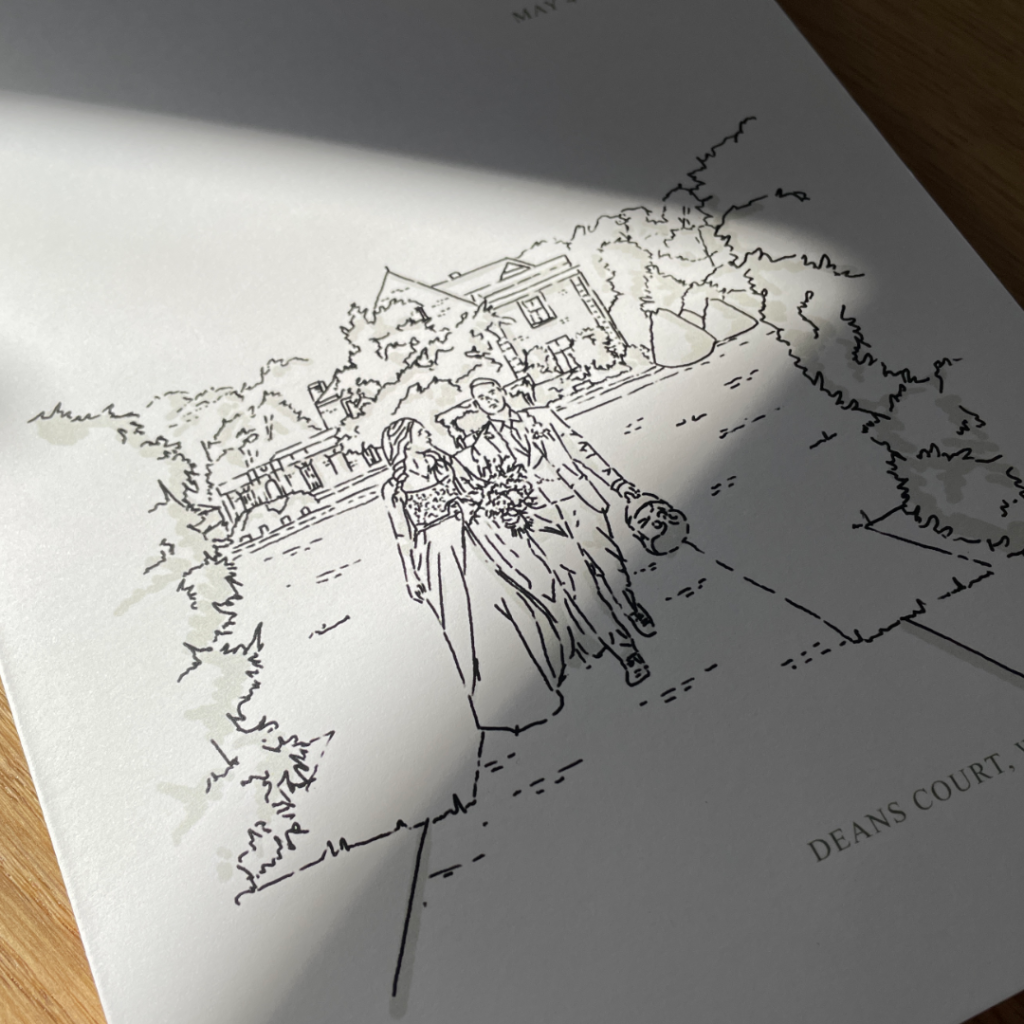
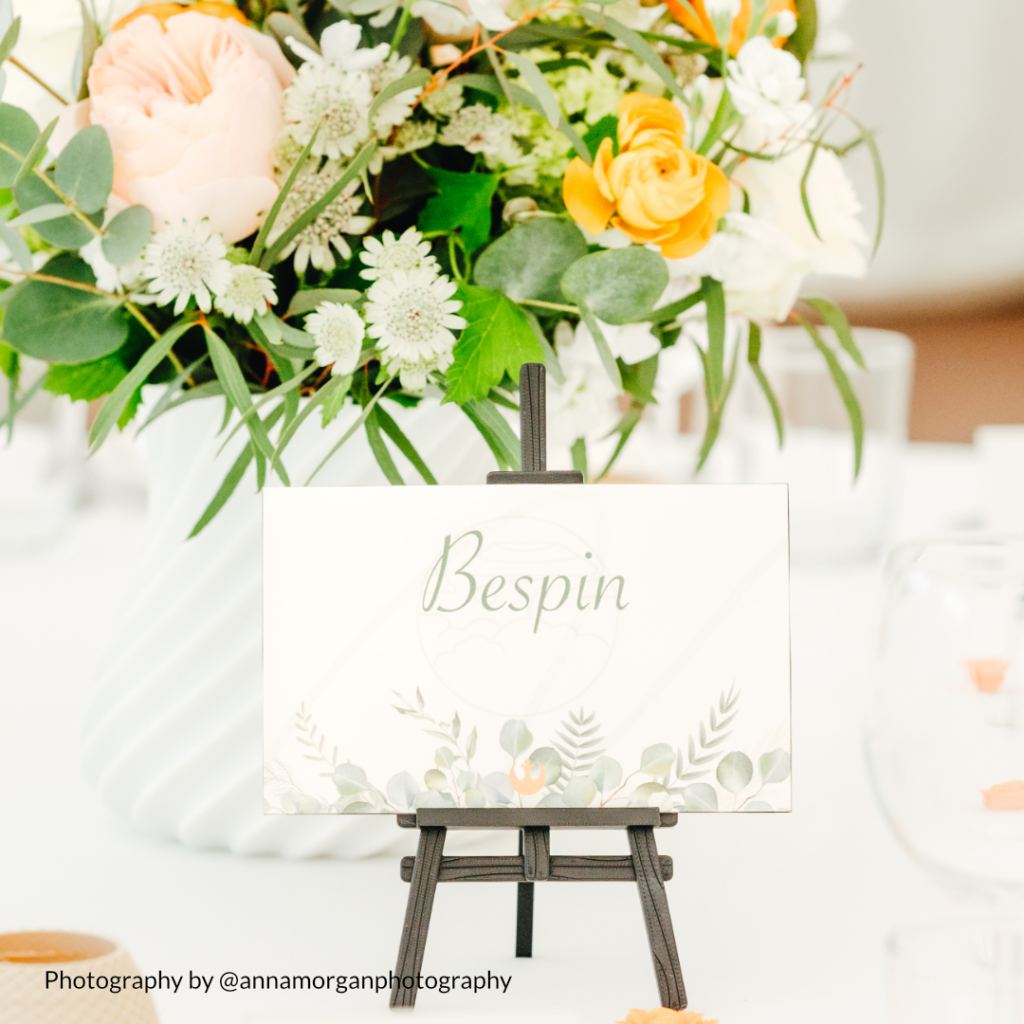
From there, the design extends into printed materials, signage, menus, place cards, and sometimes bespoke objects or 3D printed elements that sit within the wedding itself. The aim is not to create lots of separate ideas, but to make sure every piece feels like it comes from the same design system. A wedding should be a reflection of you and not a Pinterest trend.
Why most weddings feel slightly disjointed
When couples plan weddings themselves or rely on multiple suppliers who do not share a design direction, things often start to drift.
One supplier might interpret a colour in one way, while another uses it differently, the wedding venue may design signage for you. Stationery might feel modern and minimal, while signage leans more decorative. Nothing is technically wrong, but the overall experience stops feeling intentional, then you start to notice these things and then that pull you out of the experience.
This is usually what people notice without being able to explain it. They just feel that something does not quite connect.
A wedding designer is there to prevent that drift by holding a consistent visual direction across everything, even when different makers are involved. Having a background in architecture means observation is key, looking at the venue’s design language, your needs as a client, managing the project….and yes I did refer to your wedding as a project. That’s a good thing though this isn’t my side hustle or distant passion, my job is to design, make and deliver.
Why stationery matters more than people think
Stationery is often underestimated because it feels small compared to the rest of a wedding. In practice, it is one of the most important parts of the design.
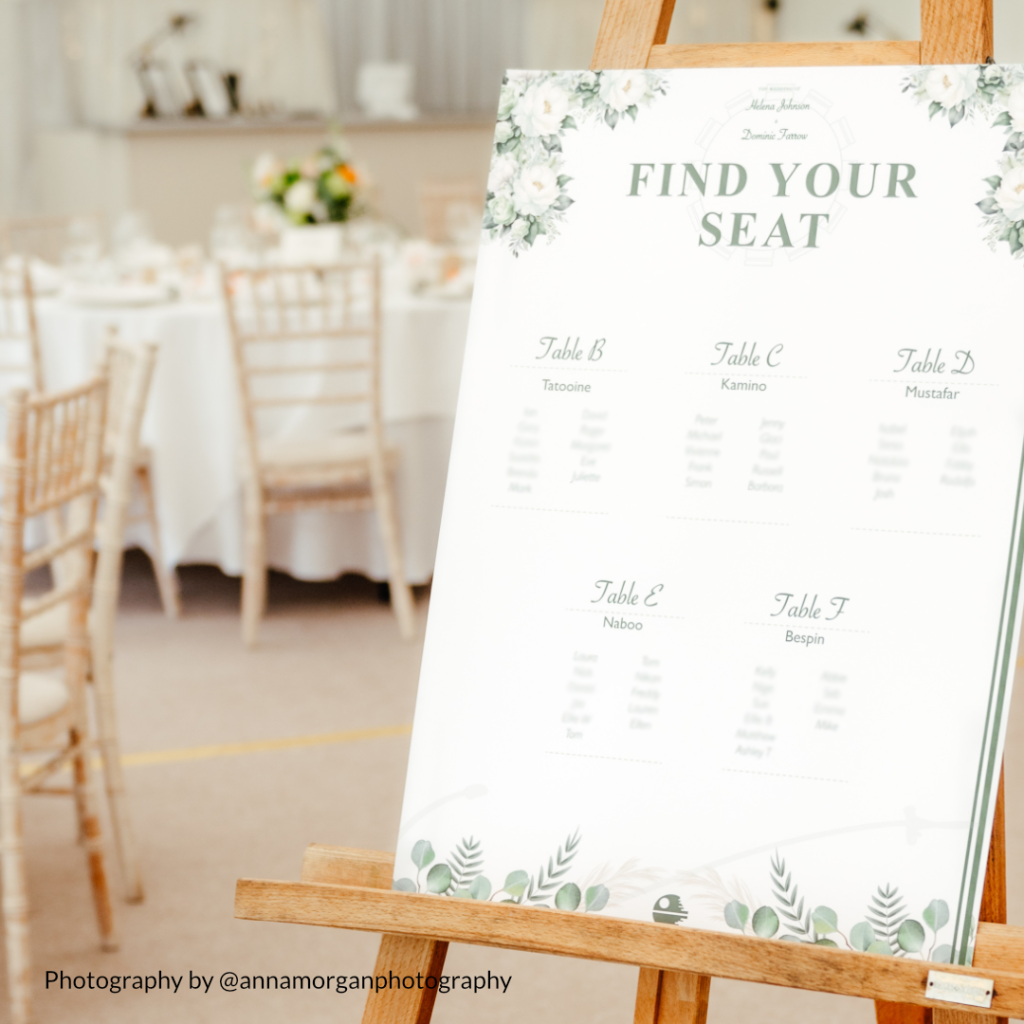
Example: For our place setting names I designed holders but some were printed in red. It was subtle but it showed the staff who had allergies so they didn’t need to disturb conversation or awkwardly single someone out. The venue knew to look out for the different colours and no one noticed the subtle designs that matched the seating chart.
It sets the tone long before the day itself. Paper choice, typography, print methods and construction all communicate something about the wedding before a guest has even arrived.
I have found that when stationery is done well, everything else becomes easier to design. It creates a reference point that can be carried through menus, signage and any physical details on the day.
When it is not considered properly, everything else has to work harder to create cohesion. Those invitations you ordered off Etsy don’t match the hobby craft place names. the Venue signage is in a different font.
Where 3D printing and physical objects come in
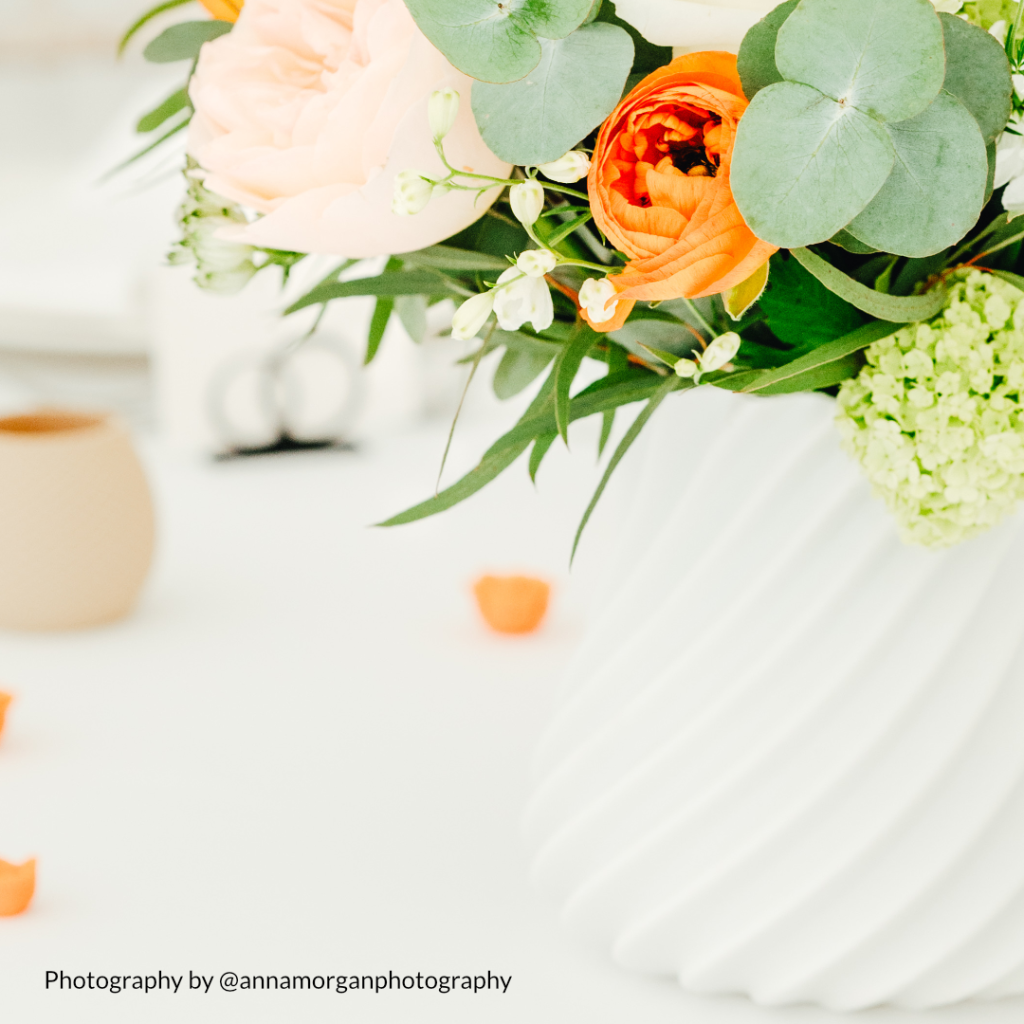
My practice also involves 3D printing and physical fabrication, but not as decoration or novelty. It is used as another way of extending the same design language into physical form.
For example, a form or motif developed in stationery might reappear as a small object on a table, or a repeated shape might be translated into signage or structural details. A bespoke icon can be made into a game of Tik Tac to be put on tables as ice breakers.
The point is not to add complexity for its own sake, but to strengthen recognition across different materials. Paper, object and environment all feel like they belong to the same system.
What clients usually misunderstand at the beginning
Most couples think they need individual elements, they have googled a checklist but not really stopped to think what they really want. A stationery suite here, some signage, perhaps some table styling ideas there.
What they actually need is a way of making all of those things feel connected and tangible. Without that, even expensive or well-made pieces can feel slightly disconnected from each other. With it, even simple materials can feel considered and intentional.
A wedding designer’s job is often less about adding things and more about refining decisions so everything feels consistent.
Why this saves stress later
One of the biggest benefits of working with a wedding designer is not visual, it is practical. It’s a huge section of the wedding ticked off.
When there is a clear design direction from the start, decisions become easier, you suddenly remember you need more place names or an extra item to your order. Fewer things need to be rethought at the last minute, and on the day itself, there is less uncertainty about how everything should come together. Of course your venue will have a pre wedding chat to organise things so don’t worry, I’ve done it, so can you.
It does not remove all problems, but it reduces the number of small mismatches that usually create stress in the final stages of planning.
What happens on the wedding day
By the time the wedding happens, most of my work is already embedded in the physical pieces and gone out the door weeks or in an ideal world a month ago.
The focus on the day is making sure everything is placed correctly and feels aligned with the original intention. Stationery is positioned in context, printed materials are checked in relation to the space, and any fabricated pieces are integrated so they feel natural rather than added on. The florist has the bespoke vases, the place names and signage had been dropped off at the venue for your ‘dec drop’.
If the design work has been done properly, nothing feels like it is competing for attention. It all feels like part of the same conversation.
Why hiring a wedding designer is not just about aesthetics
People often assume a wedding designer is there to make things look nicer. In reality, it is about reducing inconsistency and helping decisions feel coherent across multiple suppliers and formats.
It is especially useful when you care about detail, because detail without direction is where things start to fall apart visually.
A wedding designer brings structure to that detail so it becomes meaningful rather than scattered.
Final thought
From my experience of my own wedding, the value of wedding design is not in creating one impressive moment, but in making sure every smaller moment feels like it belongs to the same world. The order of service is correct and has the songs, the menu has the small details from the invitations. You the see the picture I’m building here…..
When stationery, printed materials and physical objects are all working from the same idea, the wedding stops feeling like a collection of separate decisions and starts feeling like a complete visual experience. The most important thing is you are sat down drink in your hand thinking about how you got life all in front of you.
That is the part Pinterest never shows, and also the part that makes the biggest difference when you are actually there on the day. It went so quickly for me, but everything had meaning.
FAQ: Wedding designer UK and stationery design
What does a wedding designer do?
A wedding designer creates a consistent visual direction across stationery, printed materials and physical design elements so the wedding feels cohesive from start to finish.
Do I need a wedding designer if I already have suppliers?
Yes, if those suppliers are not working from a shared design direction, a wedding designer helps bring consistency across all elements.
Why is wedding stationery important?
Stationery sets the first impression of the wedding and often defines the visual language that carries through the rest of the design.
Can 3D printing be used in wedding design?
Yes, it can be used to create bespoke objects and repeated design elements that extend the same visual language into physical form.
Don’t mind these its just for my SEO. Unfortunately I have to do it.
| Keywords | UK wedding stationery design, bespoke wedding stationery, modern wedding design, 3D printed wedding design, what does a wedding designer do?